
Funeral Etiquette
Many of us are unsure about what encouraging words to say to the family or how to interact and respond to their feelings of sorrow. Knowing a few funeral etiquette rules can help anyone be more comfortable in both a funeral and visitation setting.
When Should I Visit?
Once you learn of someone’s death, visiting the family at their home is appropriate, but the gathering at McLaughlin's is the best place to visit with family members and offer your condolences. For anyone wanting to visit and offer assistance to the family before services are held, these actions can provide additional comfort. Offering to bring food, household necessities, assist with childcare and handle any errands or chores are a few of the things you can do to assist the grieving family.
What Should I Say?
This is the most common question asked by someone wanting to pay their respects. While no words can adequately express the depth of a loss, offering a few kind words to the family of the deceased lets them know you care. Avoid airing your grievances or saying the deceased is in a better place now. If you can, share a pleasant and comforting memory. And remember, laughter can be just as healing as tears.
Where Should I Sit?
Many people attend funeral services and are unfamiliar with seating arrangements. Typically, the first rows of seats are for family members at a visitation, gathering, funeral, or memorial. Depending on the size of the family, this can be one row or ten rows. If you are not a part of the family, choose a seat behind them.
What Should I Do?
Arriving on time is very important. When entering McLaughlin's or another location, enter as quietly as possible. If you are attending the visitation, speak to the surviving family members and offer your condolences before taking a seat. Cell phone use during a service is inappropriate, and you should silence your phone before entering. If you feel you must answer a message or call, excuse yourself and walk into another room or outside.
What Should I Do About Children?
While there isn’t a definite answer to this question, a child attending a visitation or funeral service depends on the situation or relationship to the deceased and their family, as well as the age of the child and whether or not they can appropriately behave. If you decide to take your child to any service, explain what will occur while at the service and how they should act during that time.
What Should I Give?
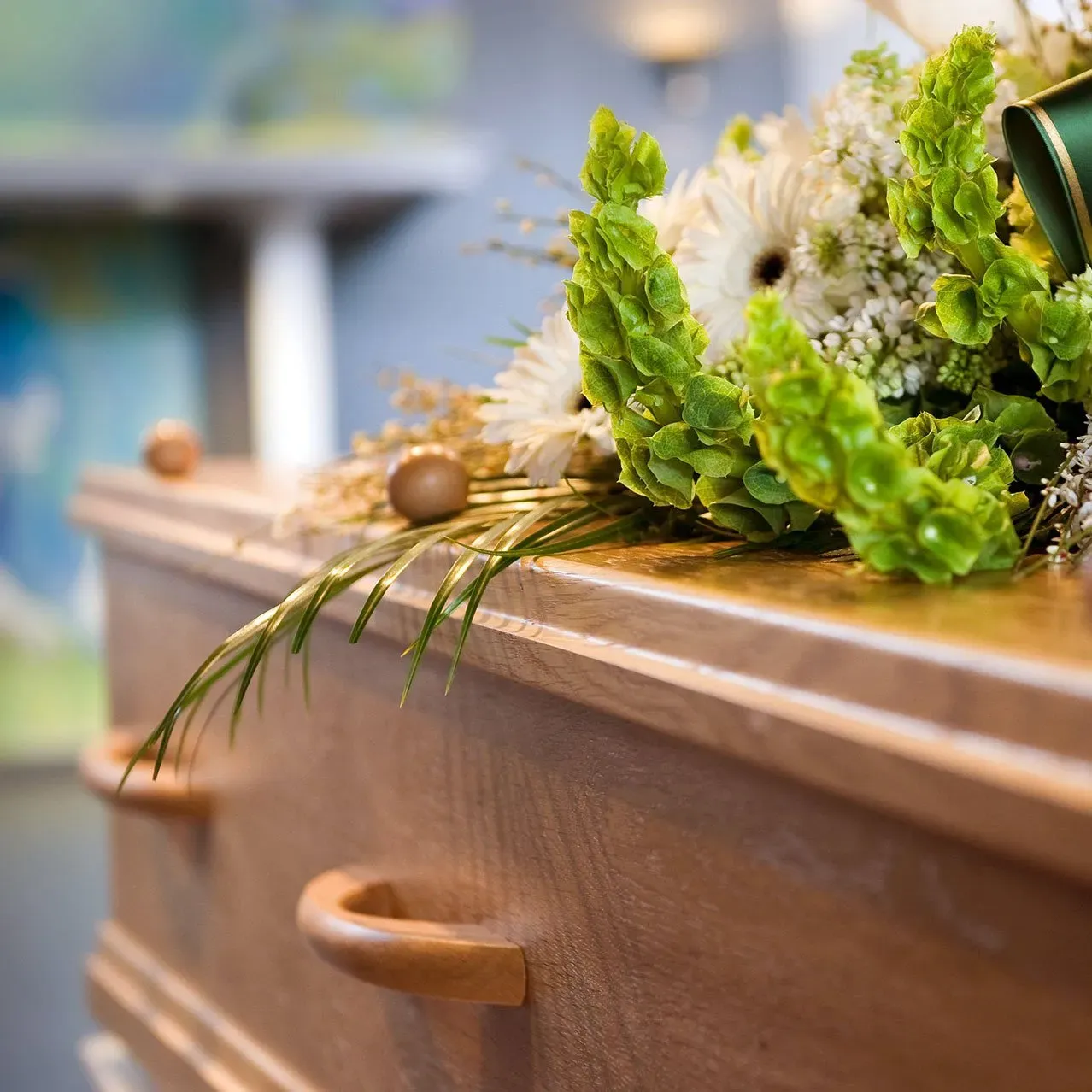
Sending flowers to the service or home is an appropriate way to offer condolences. Sometimes, the family members may prefer donations to a particular foundation instead of flowers, and those wishes should be honored. Bringing food to the grieving family is another way to show respect to those suffering from the loss. A less expensive and completely appropriate option would be to send the family a sympathy card. There is no specific time or expiration date for when you can send cards.